
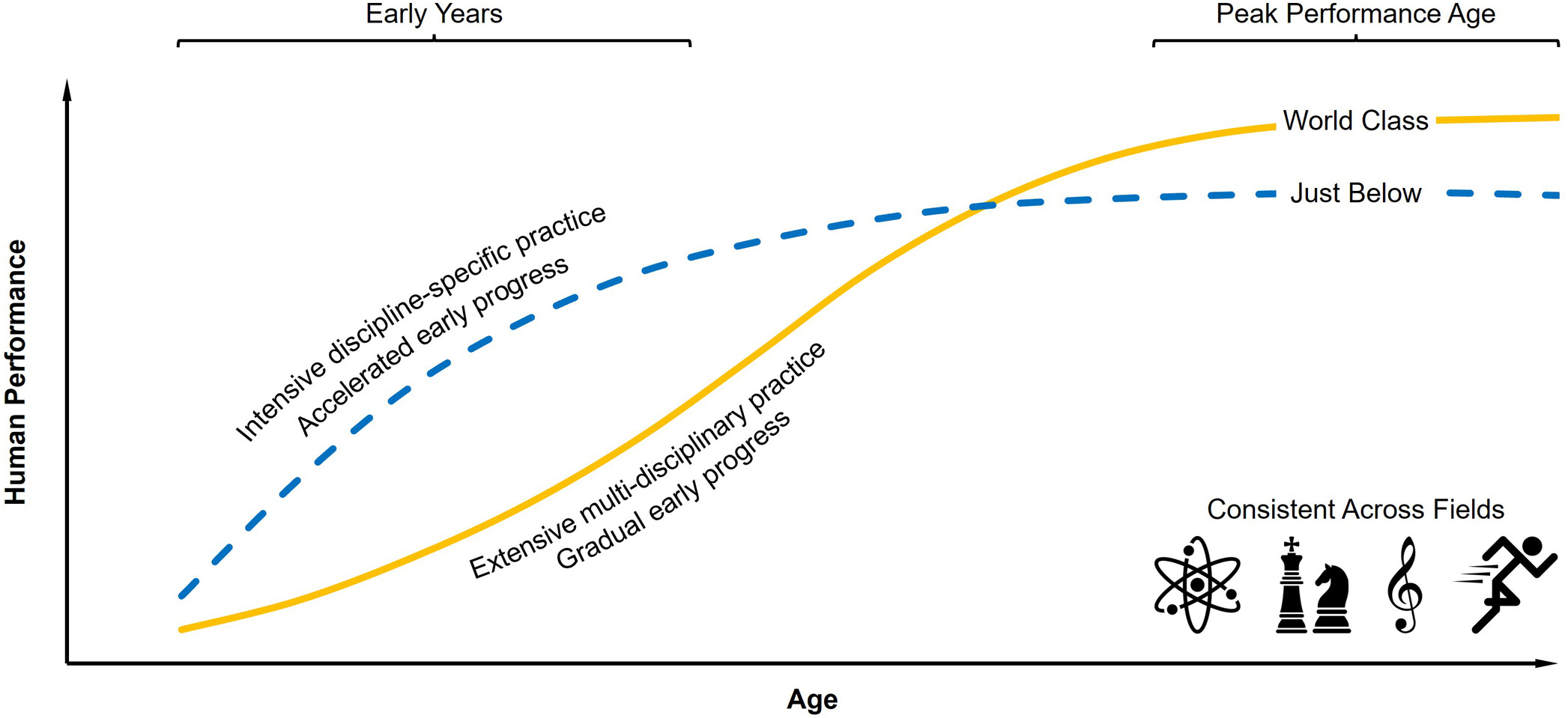
Does “Winning at the Starting Line” Really Matter? Science Answers with Data from Over 30,000 Elite Performers

By integrating and analyzing long-term developmental data from 34,839 world-class elite performers, spanning highly competitive fields including science, sports, chess, and music, the study arrives at a conclusion that is both concise and striking: approximately 90% of individuals who ranked at the very top in their youth did not go on to become world-leading figures in adulthood.
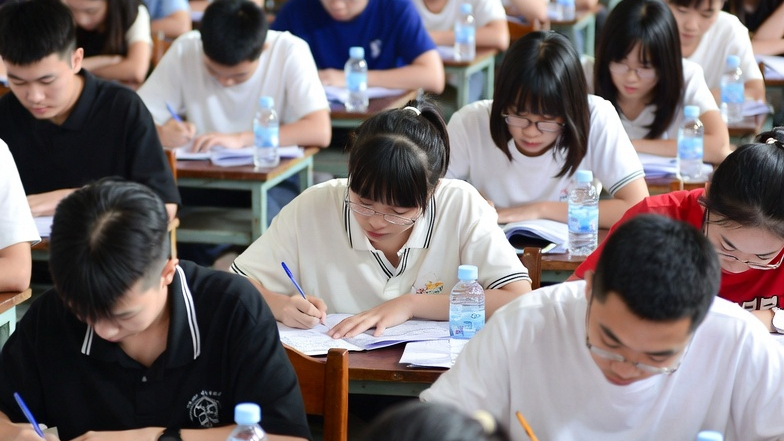
How Do We Prove That a PhD Is “Qualified”?

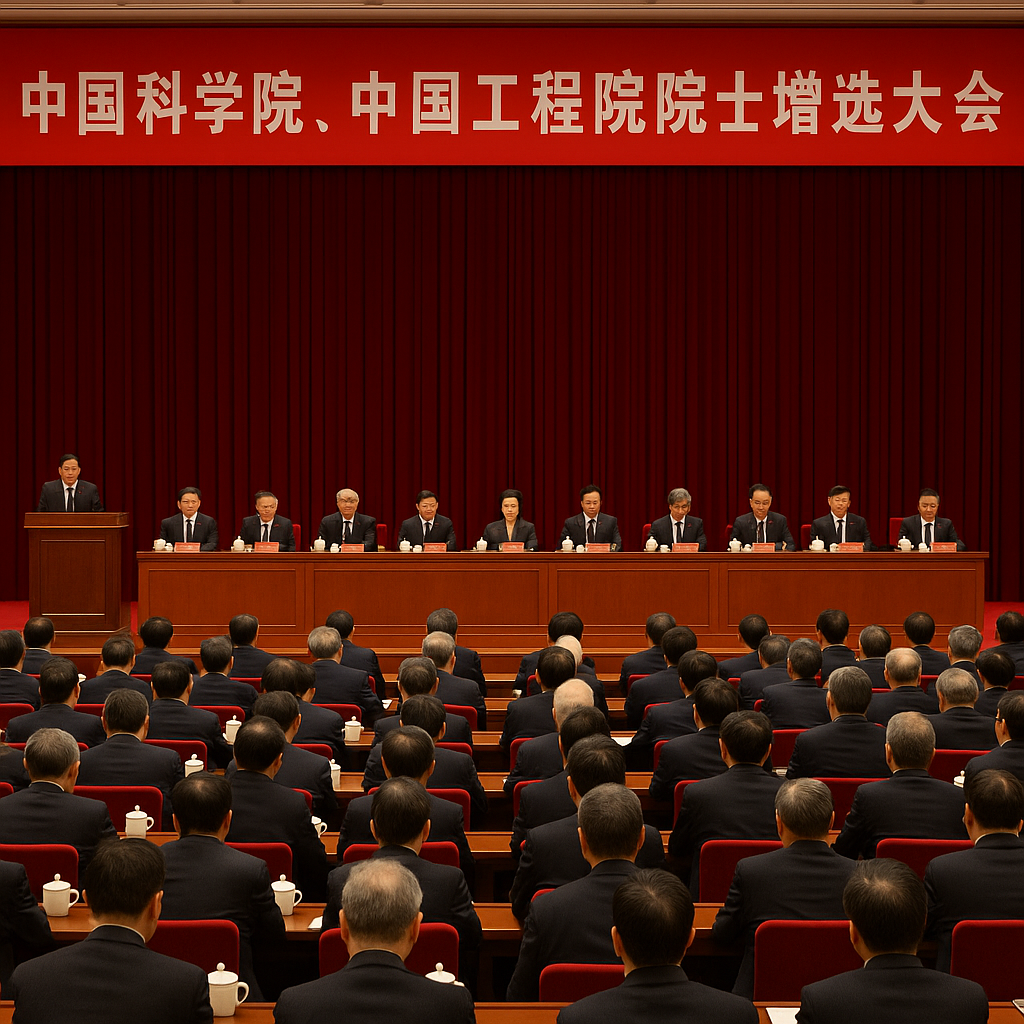
How do we prove that a PhD is “qualified”? In China, the answer is increasingly tilted toward administrative authority, relying on a rigorous system of state-led audits to safeguard minimum quality standards. In the United States, by contrast, the answer is embedded within the internal reputation mechanisms of the academic community, relying on an “invisible hand” of peer evaluation and market selection.

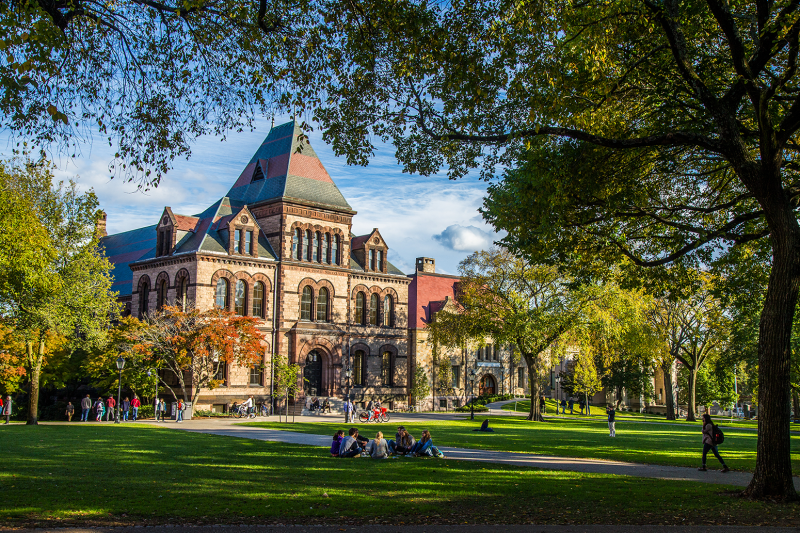
Why Is Ivy League Tuition So High? Skyrocketing Costs at Brown, Administrative Bloat, and the Silencing of a Whistleblower

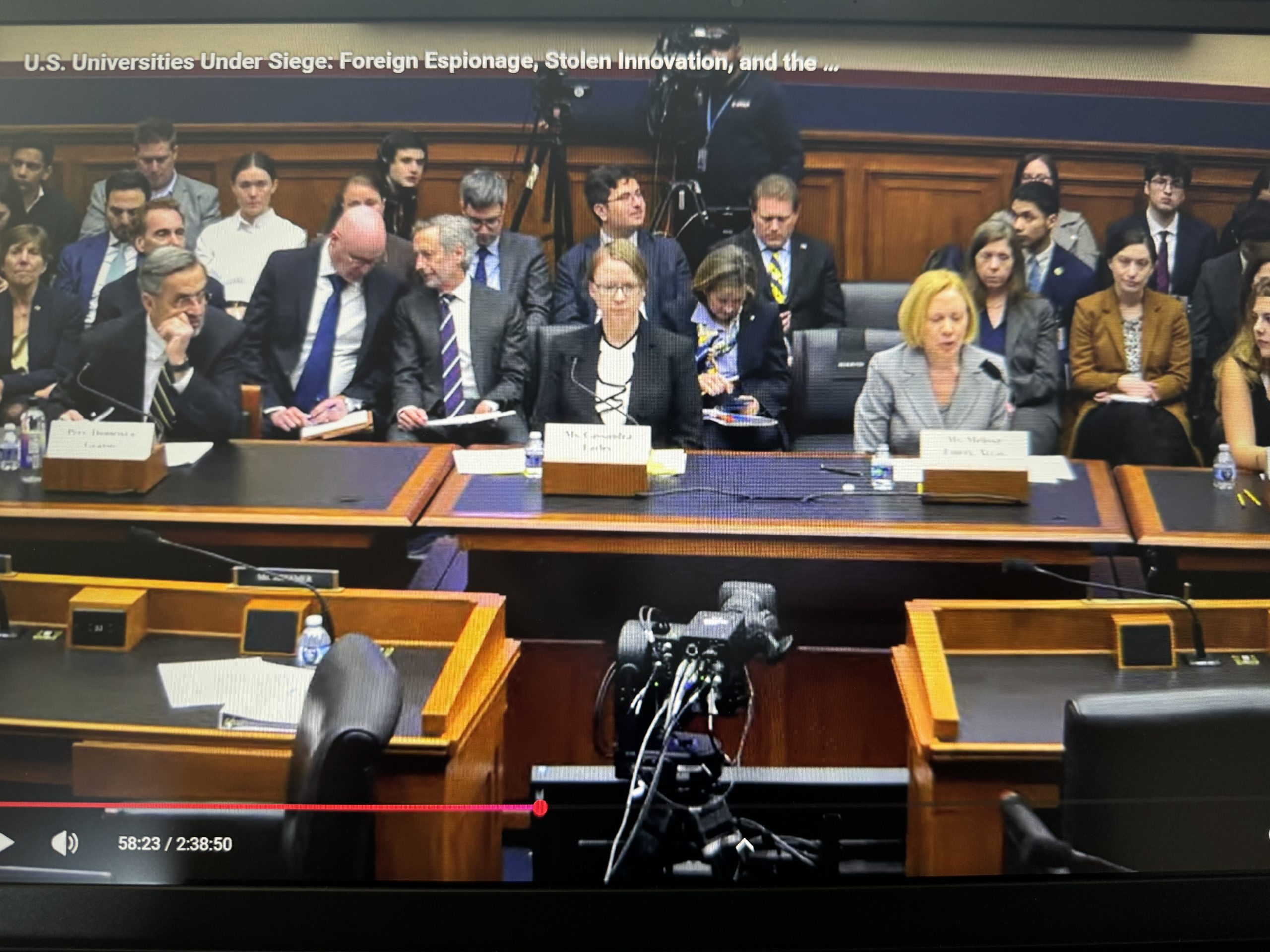
Alex Shieh, a Chinese-American student journalist, recently testified before the House of Representatives, revealing a truth uncovered through big data mining: the skyrocketing tuition is not primarily being used to enhance the quality of instruction, but is instead being poured into an increasingly bloated, bureaucratized, and opaque administrative machine.

Graduate Education: The “Last Card” for Ordinary Families Seeking to Break Through Entrenched Class Rigidity in China

A wave of educational expansion intended to break the ossification of society has, more than two decades later, revealed complex consequences. The widespread possession of university degrees has not eliminated the influence of family background; instead, it has enabled advantaged resources to continue their intergenerational transmission in more sophisticated and resilient ways. An empirical study based on long-term survey data uncovers the complex truth behind this grand social experiment in China

China Is Bankrolling Global Science: The Hidden Costs of Open Access Publishing

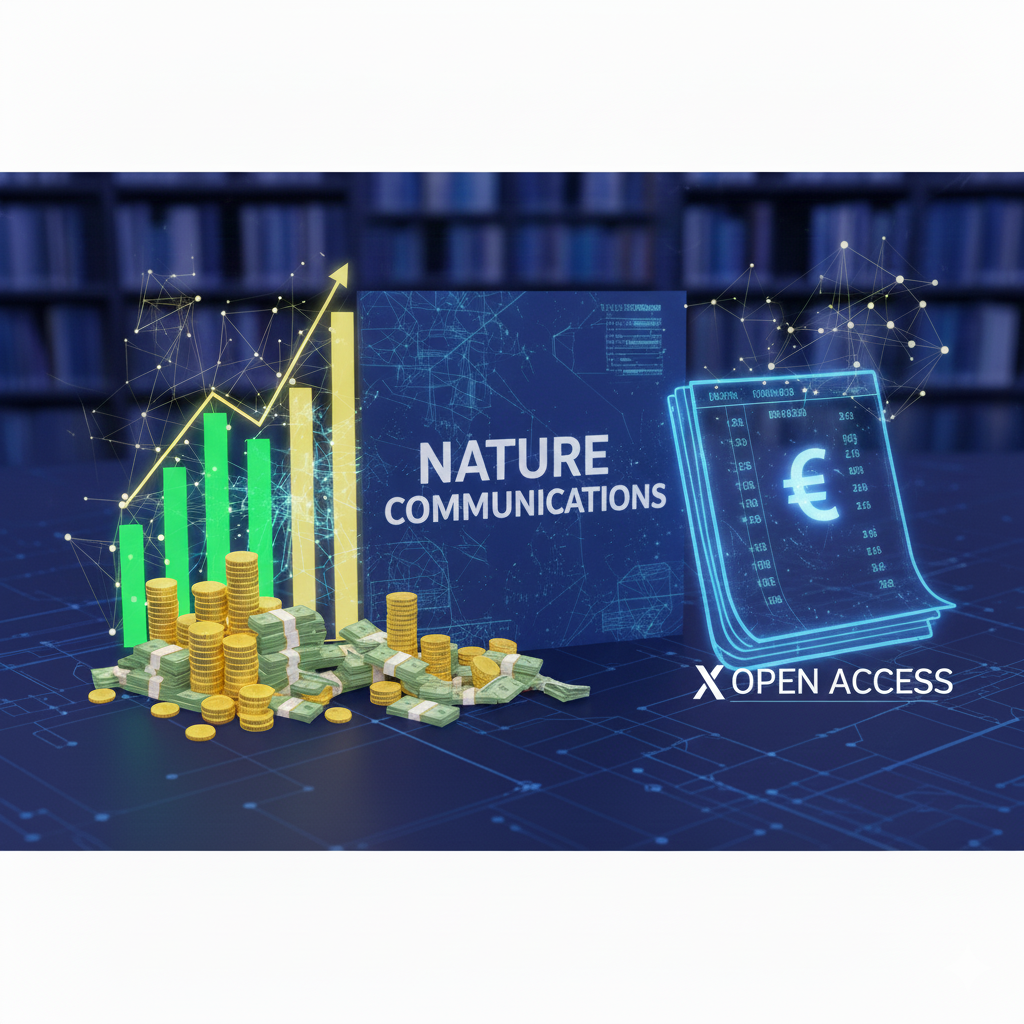
In the first half of 2025, Nature Communications published around 5,400 papers, about 2,100 of them from Chinese authors—roughly 39%, the highest share globally. Based on standard pricing, Chinese research funding contributed a rough estimate of USD $14.7 million to this journal in six months—equivalent to the cost of two medium-sized scientific research vessels.