China’s International Undergraduate Admissions Enter the Era of Unified Assessment

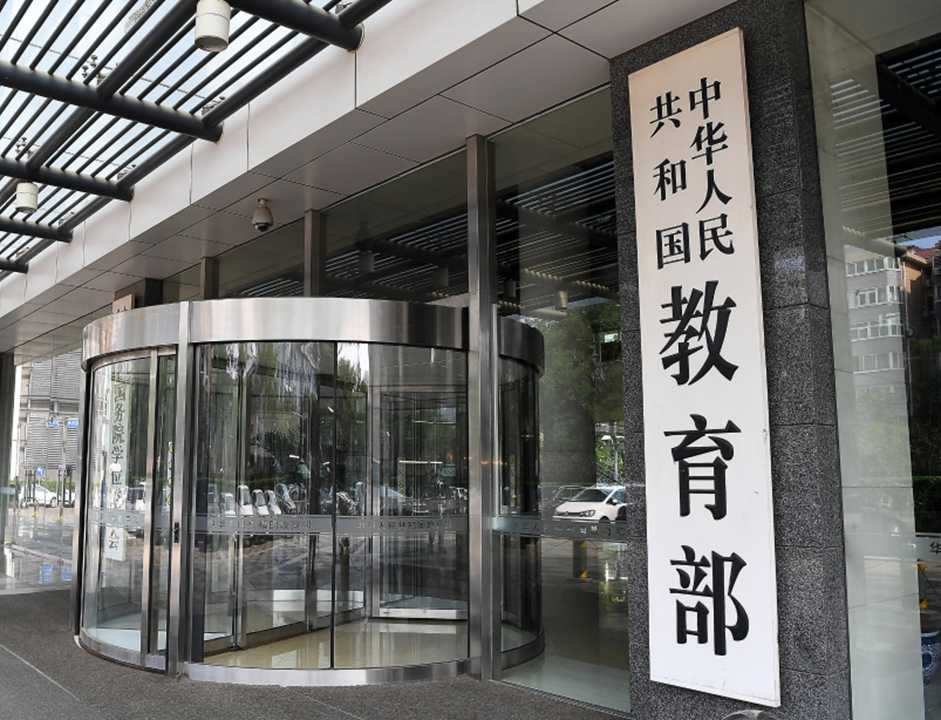
Starting in 2026, all international students applying for undergraduate programs under the Chinese Government Scholarship will be required to submit results from the China Scholastic Competency Assessment (CSCA). This examination system, coordinated and promoted by the China Scholarship Council, is widely regarded as a key reform initiative in China’s higher education internationalization process in recent years.

Stanford’s AIMES Initiative: How a Leading University Is Preventing AI from “Dumbing Down” Students

Confronted with the near “ground-up upheaval” that generative AI (GenAI) has brought to the foundations of traditional teaching, Stanford has not taken a defensive, conservative stance. Instead, through this costly, cross-disciplinary blueprint, the university is attempting to anchor new coordinates for global higher education at a moment when the technological singularity feels increasingly near.

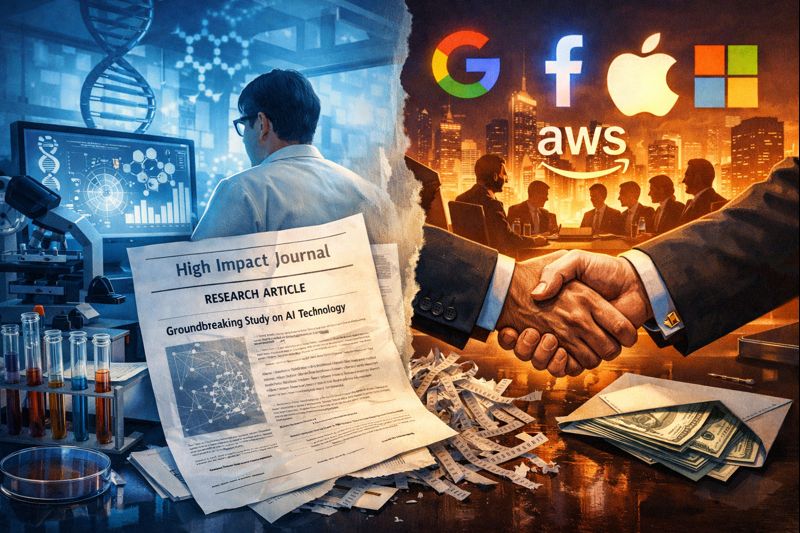
How Do We Prove That a PhD Is “Qualified”?

How do we prove that a PhD is “qualified”? In China, the answer is increasingly tilted toward administrative authority, relying on a rigorous system of state-led audits to safeguard minimum quality standards. In the United States, by contrast, the answer is embedded within the internal reputation mechanisms of the academic community, relying on an “invisible hand” of peer evaluation and market selection.

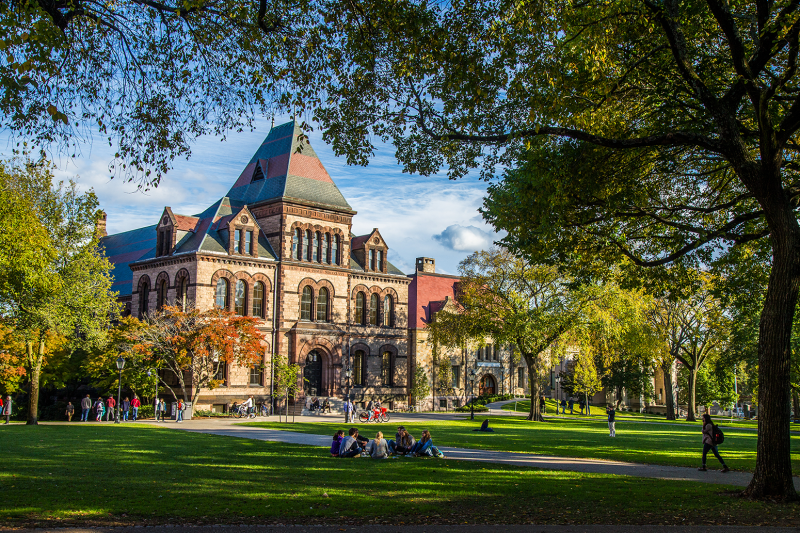
Why Is Ivy League Tuition So High? Skyrocketing Costs at Brown, Administrative Bloat, and the Silencing of a Whistleblower

Alex Shieh, a Chinese-American student journalist, recently testified before the House of Representatives, revealing a truth uncovered through big data mining: the skyrocketing tuition is not primarily being used to enhance the quality of instruction, but is instead being poured into an increasingly bloated, bureaucratized, and opaque administrative machine.