The Erosion of Tenure in U.S. Universities: Rewriting an Institutional Standard

A recent higher education bill passed in Kentucky has once again pushed a relatively stable institutional issue to the forefront of public debate: whether tenure in the United States is undergoing a structural loosening. The bill allows public universities to eliminate positions—including those of tenured professors—for “financial reasons,” such as declining enrollment or program budget imbalances.

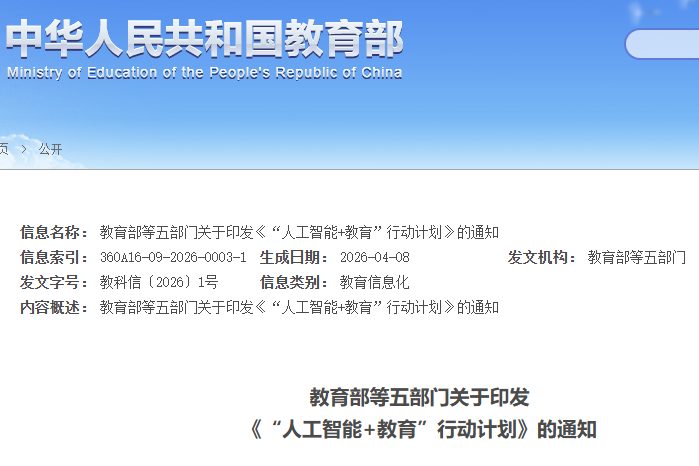
Embracing AI Across the Board: China’s Ministry of Education Releases “AI+Education Action Plan”

On April 2, the Ministry of Education of China, in conjunction with the National Development and Reform Commission, the Ministry of Industry and Information Technology, the Ministry of Science and Technology, and the National Data Bureau, issued the “Artificial Intelligence + Education” Action Plan. This marks the first time a clear stance and posture of actively and comprehensively embracing AI has been demonstrated.

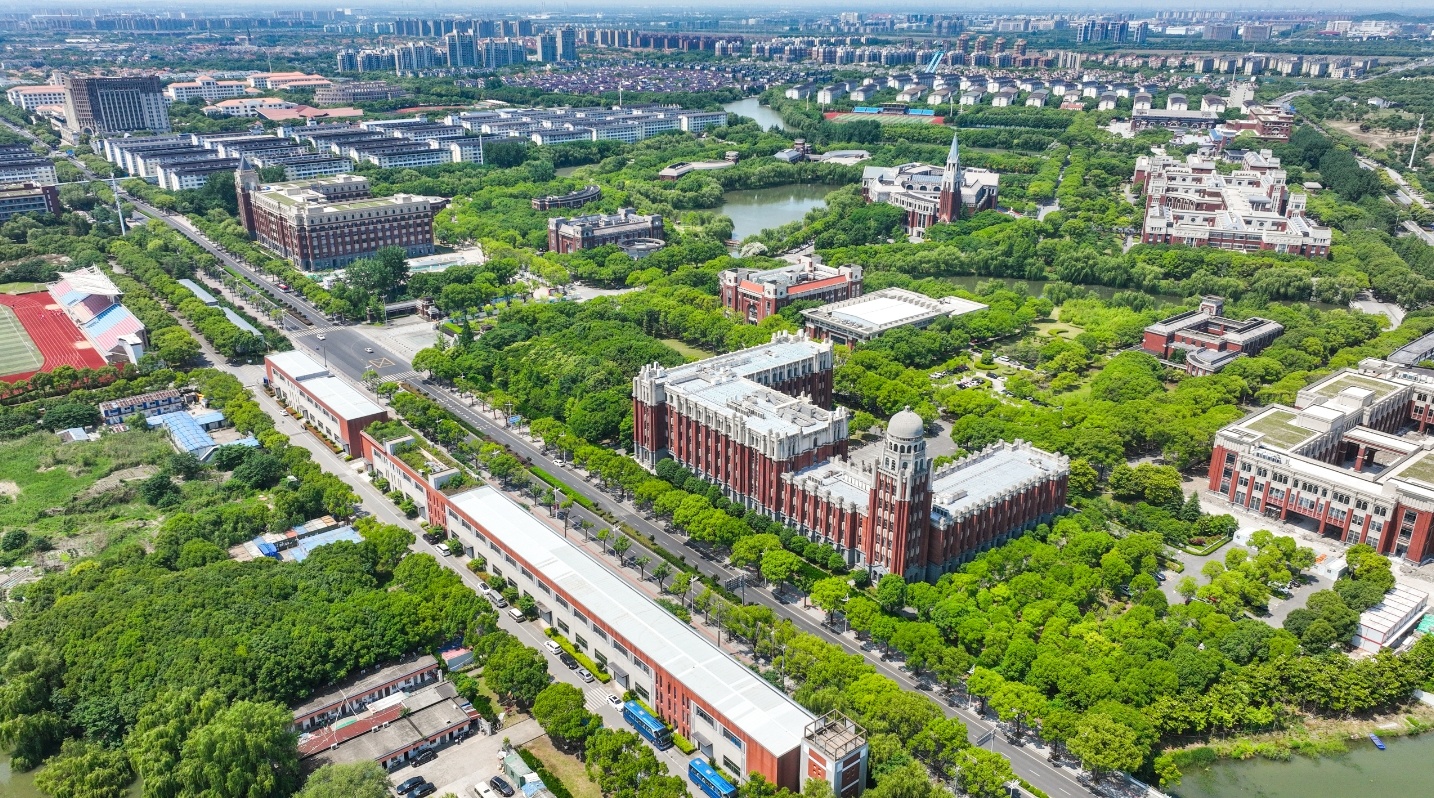
“Hollow” Elite Education: How New Campuses and Enrollment Expansion are Harvesting Chinese Families

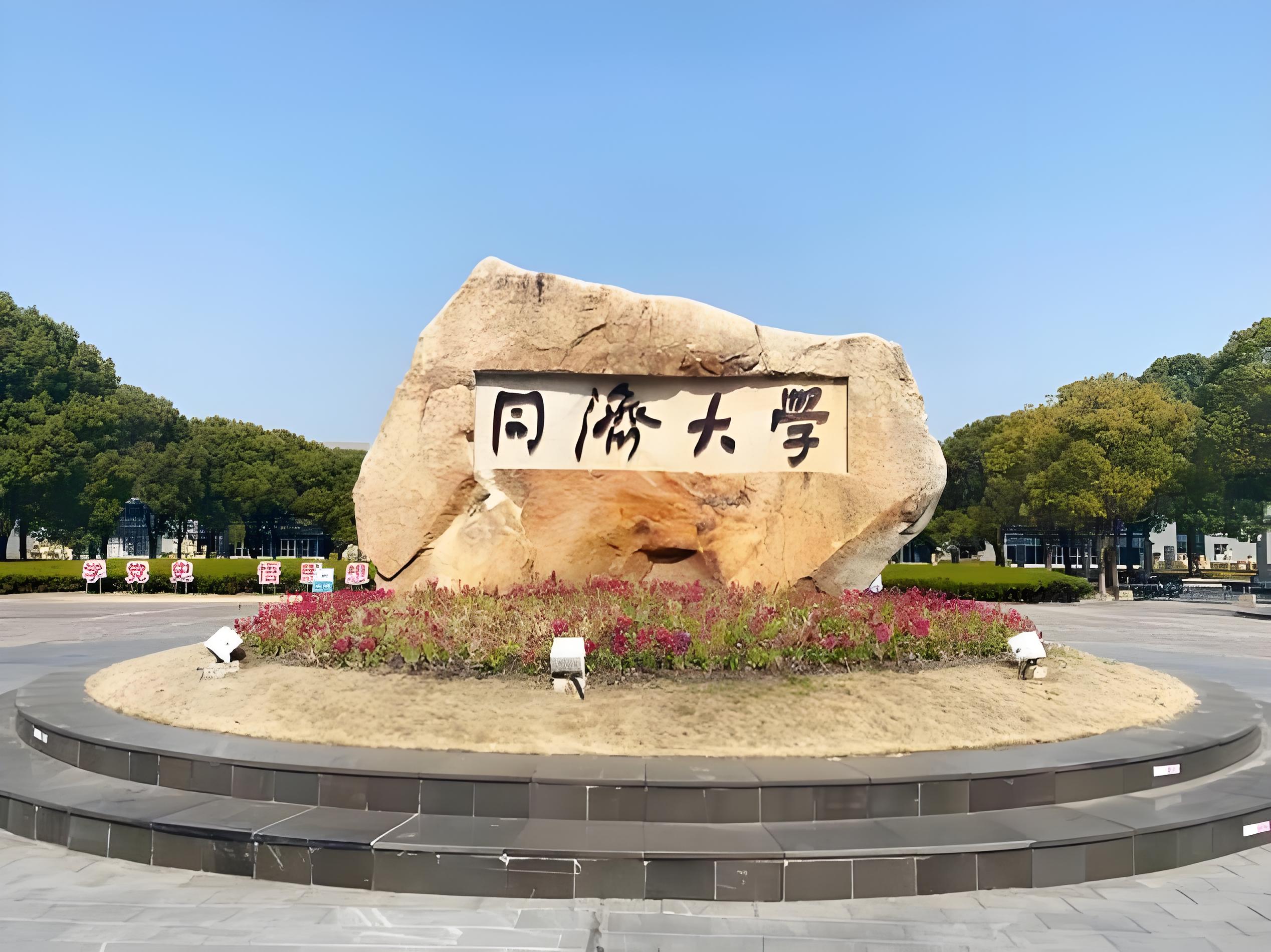
In the mid-spring of 2026, in the Lingang Nanhui New Town at the southernmost tip of Shanghai’s Pudong New Area, a salty sea breeze sweeps past a dense thicket of cranes and scaffolding along the banks of Dishui Lake. This site is witnessing one of the largest spatial restructurings in the history of Chinese higher education: the “Lingang Branch Campus Initiative,” led by top-tier institutions such as Shanghai Jiao Tong University, Tongji University, and East China Normal University, has entered its phase of substantive operation.

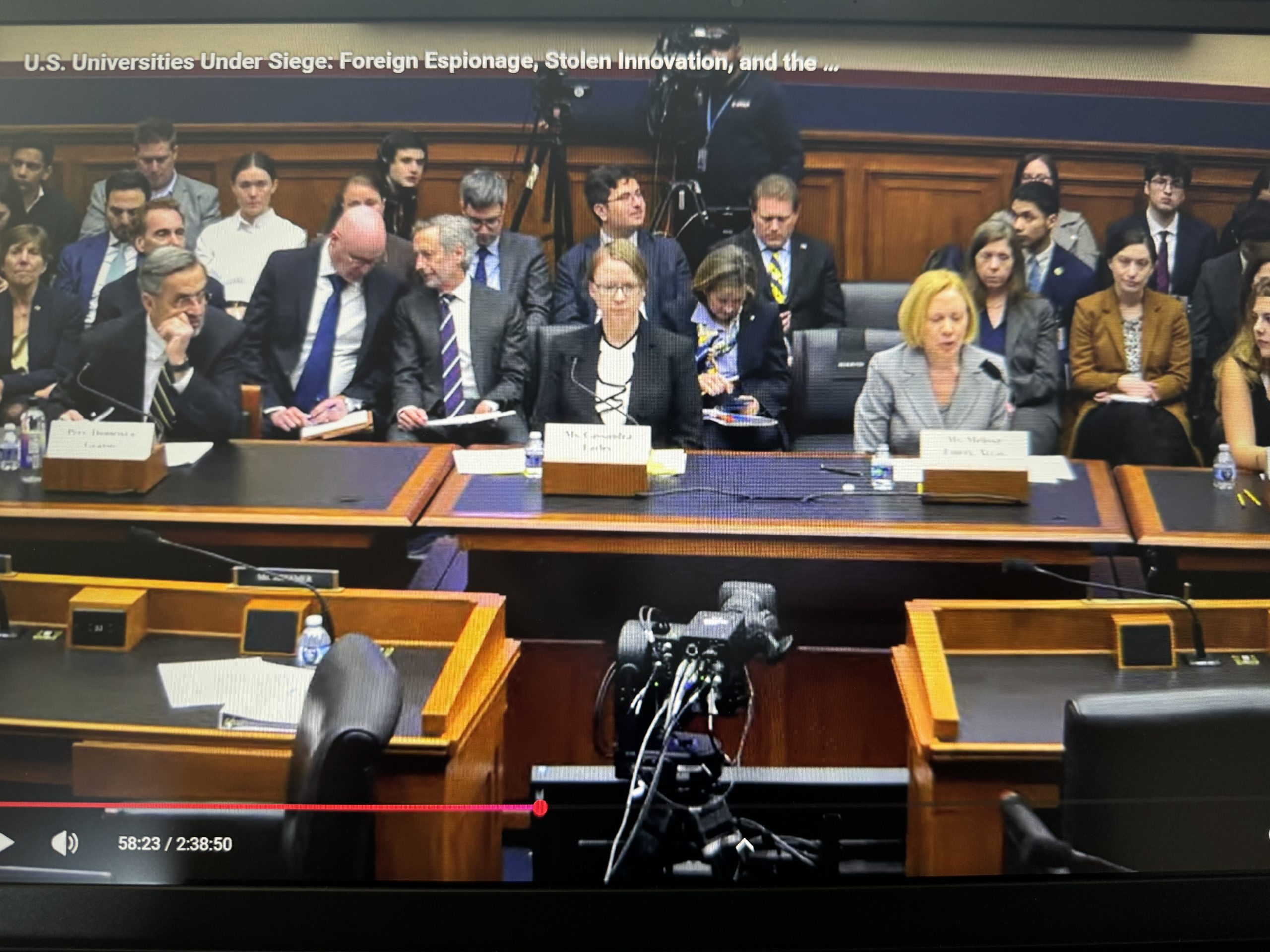
U.S. Congress Holds Hearing Focusing on Threats Posed by China to American Universities

On March 26, 2026, the U.S. House Committee on Education and the Workforce held a hearing titled “American Higher Education: Foreign Espionage, Technology Theft, and Threats to National Security.” This hearing not only showcased the high level of vigilance among U.S. politicians regarding Chinese influence and penetration but also profoundly revealed the stark internal divisions regarding the definition of “threat” and the boundaries of regulation.

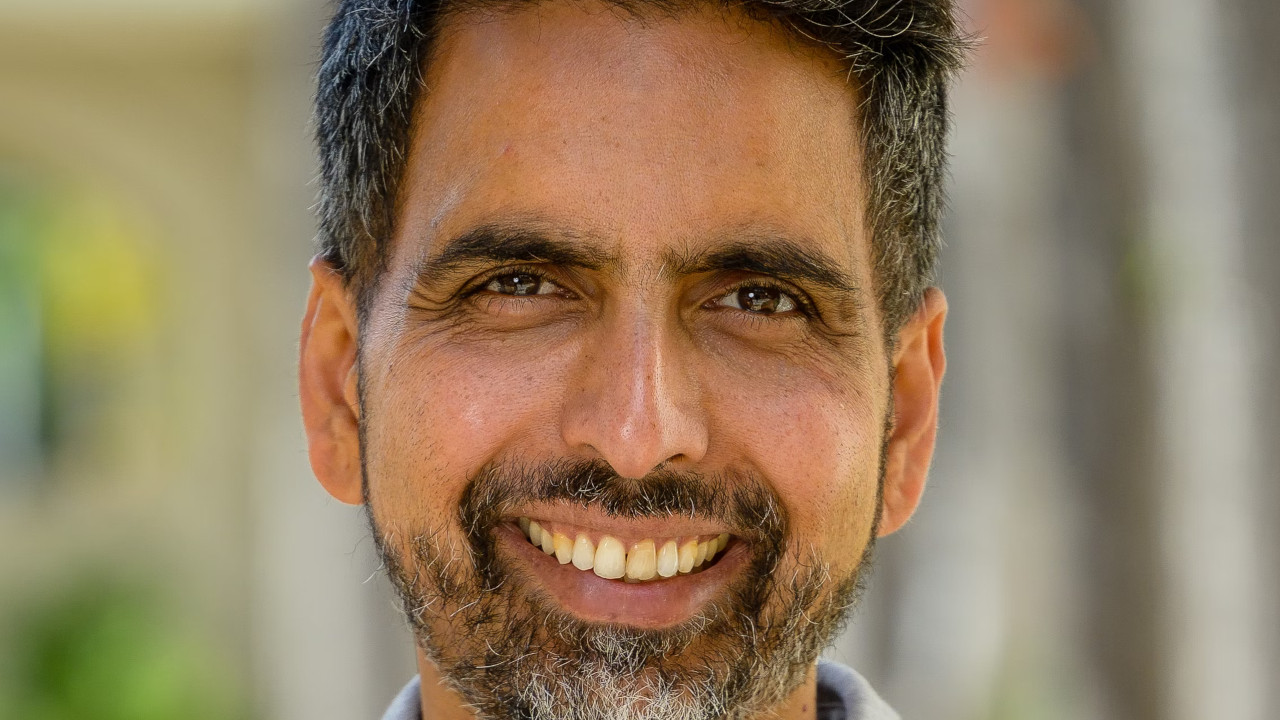
While Ivy League schools Are Expensive and Hard to Get Into, Khan Academy Proposes a $5,000 Alternative

Recently, Salman Khan, founder of Khan Academy, presented an alternative vision for higher education at an artificial intelligence forum held in San Francisco, United States. The proposal suggests that, through digital tools and AI-based assessment systems, it may be possible to construct an educational credentialing model with a total cost of around $5,000.

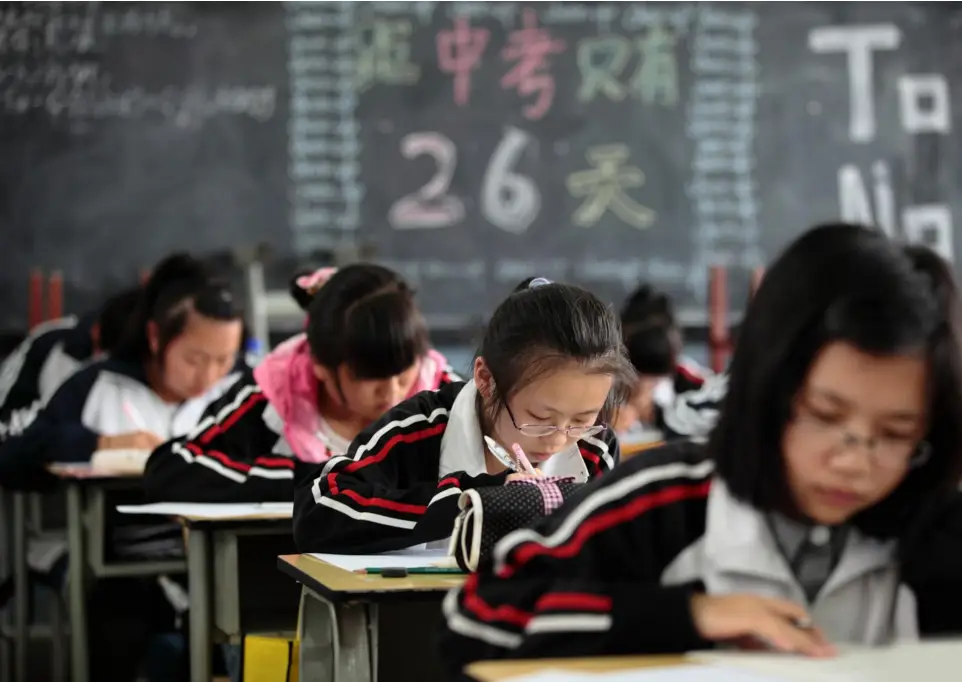
Breaking the “15-Year-Old Destiny”: Professor Yu Miaojie’s Proposal to Abolish Middle School Streaming Sparks National Debate

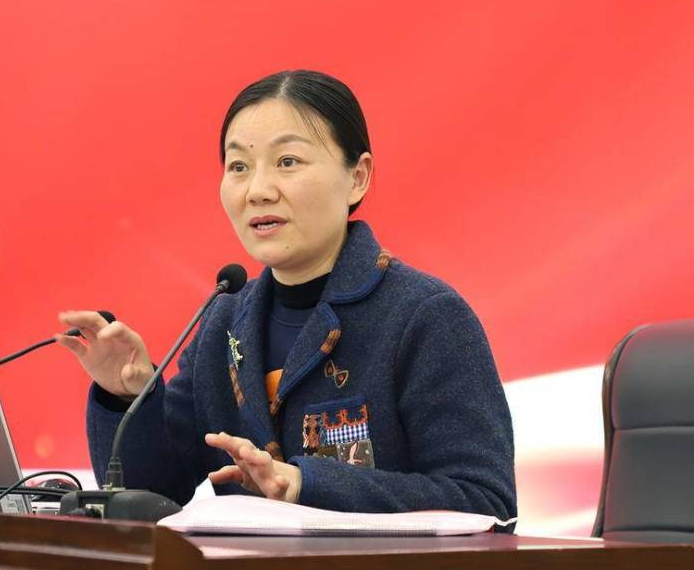
During the 2026 Two Sessions, Professor Yu Miaojie—Deputy to the National People’s Congress and President of Liaoning University—submitted a heavyweight proposal for China’s educational reform. Yu officially proposed the “abolition of vocational-general streaming after the High School Entrance Exam (Zhongkao),” advocating for a ten-year compulsory education system.

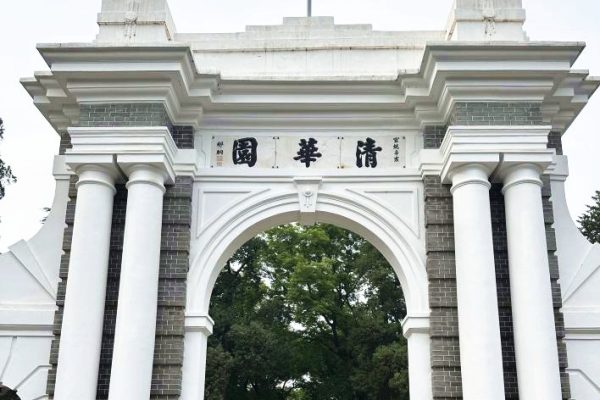
Talent Shift Revealed in Tsinghua Employment Data: Manufacturing Emerging as a New Destination for Elite Graduates

Recently, Tsinghua University released its latest graduate employment data, drawing widespread attention to changes in the employment structure of Chinese university graduates. The data show that the number of graduates from the Class of 2025 entering the manufacturing and energy sectors increased by 19.1 percent year-on-year, marking the sixth consecutive year of growth in this direction.